
Abbotsford Scrap Car Recycling Process: Fluids and Materials After Pickup Call 236-599-6869 to discuss your vehicle.
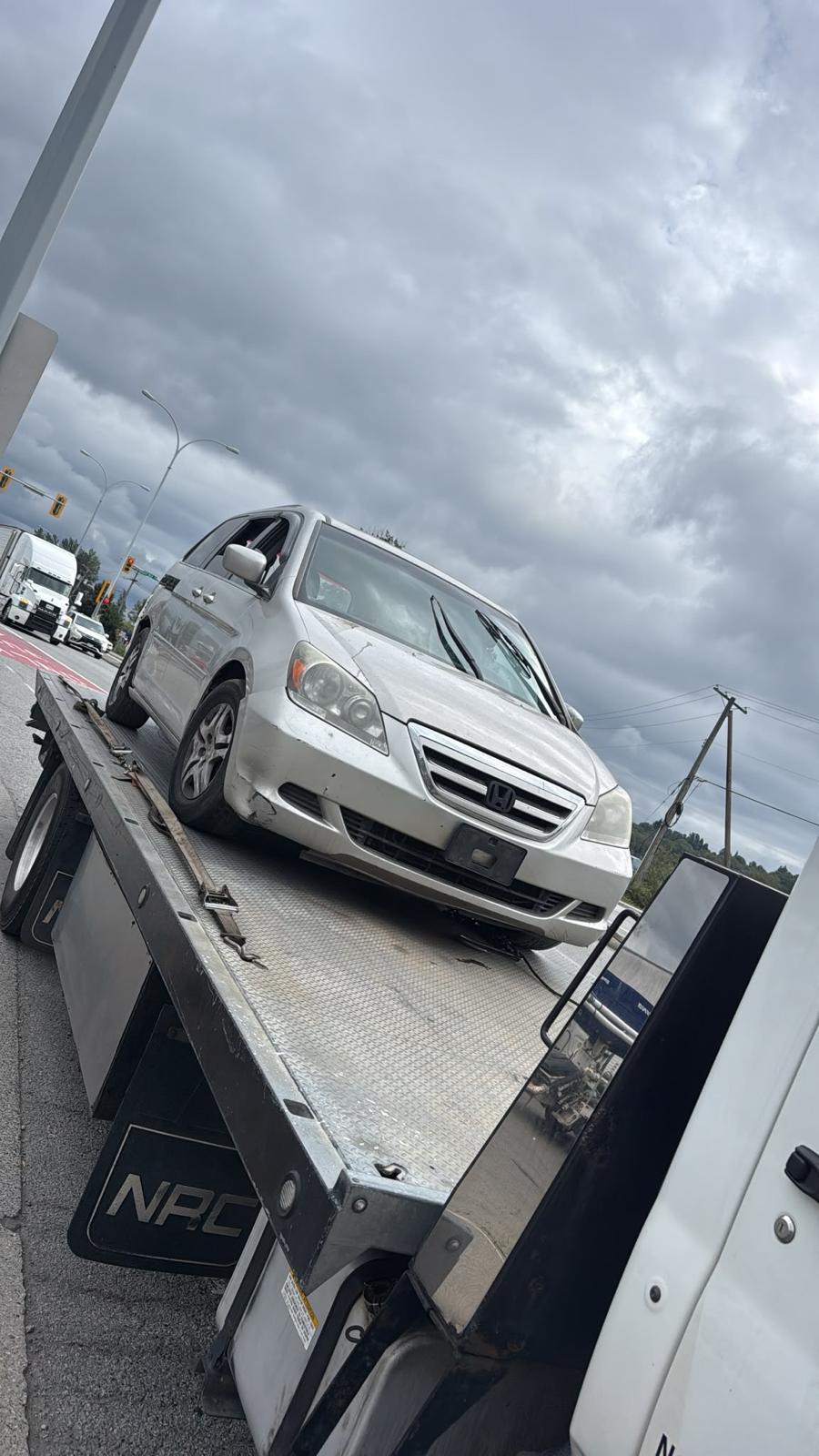
When an unwanted vehicle is ready to leave an Abbotsford property, the pickup is only the visible first step. For an owner, the useful question is not whether every car follows one identical route. It is how to describe the vehicle accurately, keep the handoff clear, and ask sensible questions about the categories of materials that may need special handling after pickup. That approach is useful for a private car, a work van, or a retired commercial vehicle.
The Abbotsford scrap car recycling process begins with a practical assessment. A vehicle may contain operating fluids, a 12-volt battery, tires, electronic components, metal panels, glass, and interior materials. Its condition matters. A collision-damaged car, a vehicle that has been sitting for years, and a fleet unit retired from service can present different questions. Owners do not need to dismantle a car or diagnose its contents before arranging removal. They can document what they know and ask the removal service how it will account for the vehicle’s condition at handoff.
Start with a clear picture of the vehicle
Before pickup, make a concise record of the make, model, year, vehicle identification number, ownership documents, and the address where the vehicle is parked. Note whether it starts, rolls, has obvious leaks, has a battery installed, or contains an alternative fuel or high-voltage system. If the vehicle came from a business fleet, identify it as such and keep the internal asset or unit number with the records. This is information for a removal conversation, not an instruction to handle fluids yourself.
Be direct about visible signs such as a wet spot beneath the engine bay, a broken radiator, a damaged fuel tank area, or a battery that is loose or visibly compromised. Do not transfer liquids into household containers, drain a vehicle on the property, or attempt to open a damaged battery. An honest description helps a pickup provider decide what information it needs before accepting the vehicle and lets the owner retain a useful record of its state.
Why fluid handling belongs in the conversation
Engine oil, transmission fluid, coolant, brake fluid, power-steering fluid, fuel, and windshield-washer fluid are not interchangeable. The condition of a vehicle does not tell an owner which fluids remain inside it, and a non-running car may still contain several. That is why a seller should state what is known rather than guess. For example, say that the car has been parked for two years, that the radiator was damaged in a collision, or that a shop previously identified an oil leak.
Abbotsford’s stormwater guidance gives the local reason to keep these materials out of drainage infrastructure: recycling used oils and antifreeze, and not dumping them in catch-basins. The City explains that runoff is conveyed to nearby watercourses and can be affected by human-generated pollutants. For a vehicle owner, the immediate takeaway is simple: do not treat a driveway, lane, curb, or catch basin as a disposal route while waiting for removal. If a leak is active, describe it when arranging pickup and follow any appropriate safety direction from the service provider.
It is also worth separating a whole vehicle from loose automotive waste. The Abbotsford-Mission Recycling Depot lists household hazardous materials and some recycling categories, but its accepted-material rules are specific. Its page states: Containers for motor oil, vehicle lubricant or anti-freeze products are not accepted. A seller who has spare containers, old filters, or fluids from a past repair should not assume that they belong with ordinary curbside recycling or with a vehicle pickup. Check the applicable local program or collection location for those loose items separately.
Battery information helps determine the next questions
A conventional vehicle battery deserves a clear mention in the pickup request. Say whether it is installed, missing, disconnected, leaking, swollen, or damaged in a collision. Do not describe every battery as the same type. Hybrid and electric vehicles may have high-voltage components in addition to an ordinary low-voltage battery, while older gas and diesel vehicles commonly have a 12-volt lead-acid battery. State the powertrain if you know it and leave any specialized assessment to qualified downstream parties.
British Columbia’s Recycling Regulation draws a useful threshold for one material stream: The lead-acid battery product category consists of lead-acid batteries weighing more than 2 kg. This does not tell an owner to remove a battery. It does show why it is reasonable to ask how the vehicle’s installed battery will be identified and handled after transfer. For a commercial owner retiring several units, keeping a list of the vehicles and whether batteries remain installed can make that conversation more efficient.
If a vehicle has visible battery damage, an exposed cable, or a suspected high-voltage issue, disclose it before anyone arrives. Do not try to make it easier to move by cutting wires, opening battery compartments, or separating components. The appropriate next step depends on the vehicle and the receiving party’s procedures, not on a generic online checklist.
Material recovery is not one promise for every vehicle
After a vehicle changes hands, different materials may be evaluated for reuse, recycling, treatment, or disposal through the downstream path selected by the receiving businesses. Metal-rich portions, tires, glass, fluids, batteries, electronics, and interior materials do not necessarily travel together, and the condition of the vehicle can affect what is feasible. A seller should avoid assuming a particular recovery outcome from the age of the car or a general claim about recycling.
Instead, ask precise, service-focused questions before pickup. You can ask whether the provider needs notice of leaks or battery damage; whether it needs the vehicle identification number and proof of ownership; whether it can provide a pickup or transfer record; and whether loose fluids or other items must be dealt with separately. These questions help set expectations without asking the owner to manage a downstream process that is outside the pickup arrangement.
A commercial owner can add the fleet number, custody contact, and any known maintenance history to the handoff file. A simple record can include the pickup date, vehicle identification number, odometer reading if accessible, visible condition, keys transferred, and the party receiving the vehicle. This is practical asset-retirement documentation. It is not a claim that a particular processor will achieve a specified material recovery result.
Keep personal items and sale records separate from recycling questions
Before the vehicle leaves, remove personal property from the cabin, trunk, glove box, under-seat storage, and work compartments. Check for documents, access cards, garage remotes, tools, child seats, toll devices, prescription items, and business records. This step protects the owner’s information and avoids confusing personal property with vehicle materials. It also keeps the pickup focused on the vehicle described in the agreement.
Keep a copy of the ownership and transfer paperwork required for your circumstances, along with the pickup record. The condition notes above can be attached to that file. If details differ at pickup, record the change rather than relying on memory later. That discipline is especially useful for a business vehicle, but it is equally helpful for an individual seller.
Arrange an informed Abbotsford pickup conversation
For an Abbotsford seller, responsible preparation means clear disclosure, not hands-on dismantling. Tell the removal service whether the car has leaks, a conventional battery, suspected high-voltage components, collision damage, or a history of long-term storage. Ask what details it needs before pickup and retain the paperwork that records the transfer. This supports a cleaner decision about the vehicle’s eventual fluid handling and material recovery without making unsupported promises about any facility or downstream method.
We do not sell used parts.
To discuss pickup of an unwanted car, van, or retired commercial vehicle in Abbotsford, call 236-599-6869. Provide the vehicle’s basic details and any known fluid, battery, or condition concerns so the service conversation can begin with accurate information.