
Abbotsford Work-Vehicle Retirement: Building a Clean Small-Business Asset File Call 236-599-6869 to discuss your vehicle.
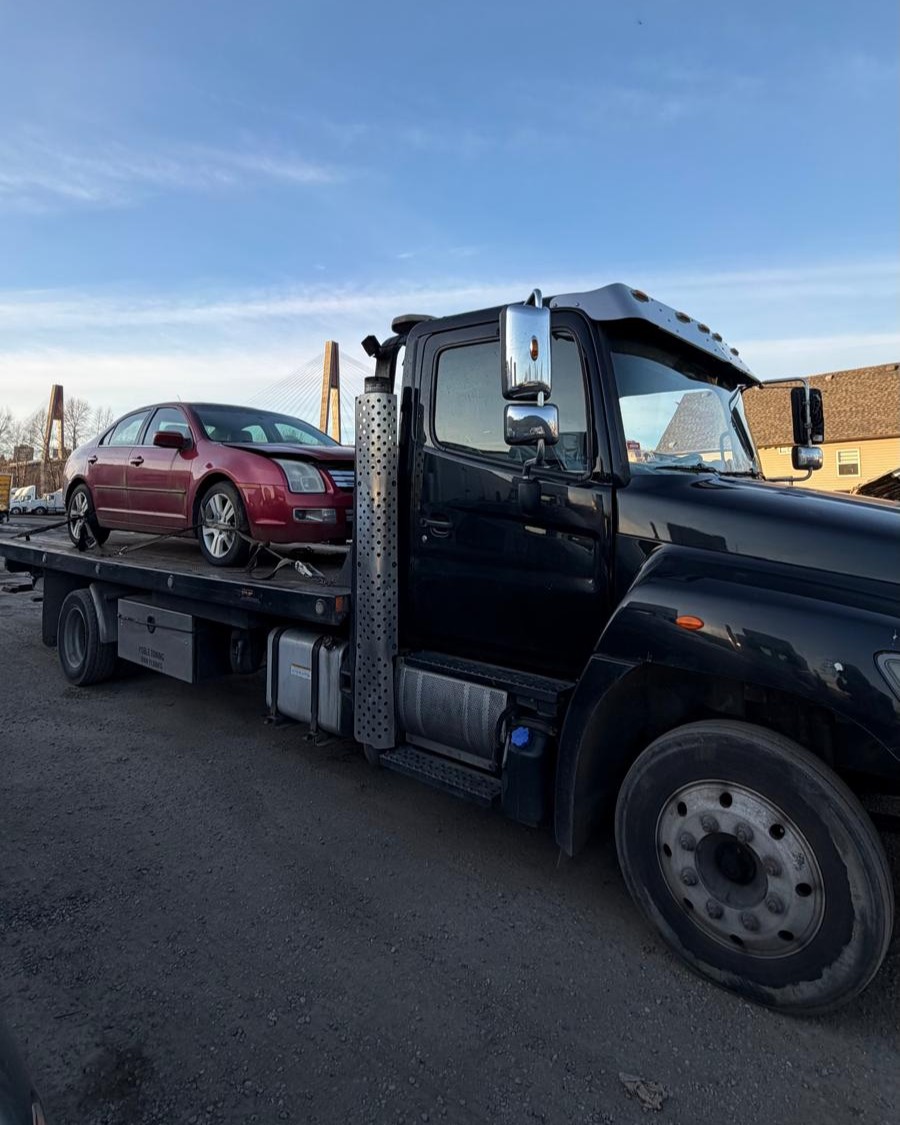
Retiring a service van, pickup, or other work vehicle is more than clearing a space in the yard. For an Abbotsford small business, the vehicle may appear in an asset register, insurance file, maintenance history, job-cost records, and tax records. A deliberate file makes the disposal conversation easier to explain internally and helps the business separate what it knows from what it still needs to confirm.
This guide is for the seller side of a commercial vehicle disposal inquiry. It does not promise a price, pickup time, payment method, recycling outcome, or government result. Instead, it gives an Abbotsford business a practical way to assemble the facts and ask focused questions before a work vehicle leaves its property.
Start with the vehicle’s business identity
Give the asset a consistent identity across the file. Record the unit number, plate number, vehicle identification number, make, model, body type, odometer reading, and the department or crew that used it. If the vehicle is leased, financed, jointly owned, or registered to a corporation rather than an individual, flag that distinction at the beginning. Do not assume that an employee who uses the vehicle is the person authorized to transfer it.
ICBC says the seller should confirm that the vehicle is properly registered and be able to provide the signed registration document, APV250, proving registered ownership. ICBC also identifies the Transfer/Tax Form, APV9T, as part of the official ownership-transfer documents and says all four pages require original signatures. Read the current requirements at ICBC’s used-vehicle sale guidance and have the business’s authorized signatory check the paperwork with an Autoplan broker when needed.
Keep the file factual, not promotional
- List whether the vehicle starts, moves under its own power, or is non-running.
- Describe known collision damage, warning lights, missing keys, tire condition, battery condition, and any loading or access limitation.
- Separate observed facts from estimates. “The engine did not start on the last attempt” is more useful than an unsupported diagnosis.
- Attach maintenance invoices, inspection reports, repair estimates, accident documents, and photographs that the business is entitled to retain.
- Note where the vehicle is stored on the Abbotsford property and who can authorize access.
ICBC recommends gathering receipts for aftermarket purchases, maintenance, and repairs when preparing a vehicle for sale. For a company vehicle, keep those records with the asset file even if the vehicle is being retired rather than marketed as a conventional used vehicle. The file should show what was supplied to the buyer or removal contact and what remains with the business.
Plan around Abbotsford’s commercial-vehicle setting
Abbotsford sits in the centre of the Fraser Valley and connects with rail, Highway 1, Highway 11, and Marshall Road–King Road–16th Avenue. The City describes these as key transportation corridors for goods moving through the community. That local context matters when a business is discussing a work vehicle that is larger than a passenger car, parked at an industrial site, or approaching a public-road interface. Identify the nearest driveway, gate, loading area, and any low clearance or turning constraint without claiming that a particular carrier can use it.
The City states that trucks and goods movement are regulated by both provincial and municipal governments, and that all trucks in Abbotsford must follow provincial and municipal acts and regulations. Its truck-route guidance says designated municipal routes connect with adjacent municipal and provincial routes, limit truck traffic in residential areas and neighbourhoods, and that truck traffic is permitted only on truck routes unless otherwise permitted by the City’s Street and Traffic Bylaw. Review the City’s trucks and commercial goods page before describing a proposed route or access plan.
Do not treat an old work truck as automatically exempt from local rules because it is no longer earning revenue. The City’s parking regulations page explains that parking regulations can apply whether or not a sign is present and that the City’s bylaw, the B.C. Motor Vehicle Act, and Abbotsford’s Street & Traffic Bylaw take precedence over the general online overview. For the seller, that means recording whether the vehicle is on private property, a street, a shared commercial lane, or another location and confirming any permission needed from a landlord or property manager.
Make the retirement entry auditable
Before contacting a vehicle buyer or removal provider, create a short retirement note. Include the decision date, reason for retirement, approving person, current location, odometer reading, and the intended disposition described neutrally as “sale,” “transfer,” or “disposal inquiry” until the transaction is actually settled. Add the vehicle’s condition and the documents that will be handed over. If the business removes tools, decals, fuel cards, toll tags, customer information, keys, or personal items, record that step separately.
For ownership administration, ICBC recommends going to an Autoplan broker with the buyer so the registration transfer is processed promptly and the seller’s name and associated insurance and licences are removed from the registration record. If the parties cannot attend together, ICBC says to keep copies of related documentation with original signatures from both seller and buyer. The seller should also account for licence plates and insurance as separate close-out tasks; ICBC says plates remain its property and must be returned to ICBC or an Autoplan broker when no longer needed. These are administrative instructions, not a promise that a disposal contact will complete them for the business.
Ask responsible end-of-life questions
If the vehicle is being sent into dismantling or recycling, ask what information the receiving party needs about fluids, batteries, damaged components, and the vehicle’s wet or drained condition. Avoid stating that any particular operator is registered or that every vehicle will be recycled in a specific way. The B.C. government explains that vehicle dismantlers and recyclers can generate large quantities of waste and that the provincial Vehicle Dismantling and Recycling Industry Environmental Planning Regulation requires operators or industry associations to develop environmental management plans demonstrating compliance with environmental protection standards. The Province also says a facility that dismantles more than five wet vehicles in a calendar year must register its operation with the B.C. government. See the Province of B.C. vehicle recycling guidance for the current regulatory description.
- Who is the legal seller or authorized business representative?
- Which documents, signatures, keys, and plates are expected at handoff?
- What access information is needed for the Abbotsford site, and who controls that access?
- What condition details should be disclosed before any arrangement is made?
- What receipt, transfer copy, or other record will each party retain?
Keep the final file conservative: signed documents, dated notes, copies of communications, and a record of what happened to the keys and plates. Do not record a disposal outcome until it is confirmed. We do not sell used parts.
Discuss an Abbotsford work vehicle
When your small business is ready to discuss retiring a commercial work vehicle, provide the unit details, ownership status, condition, Abbotsford location, and access notes. Abbotsford Junk Car Buyers can be reached at 236-599-6869 to discuss the vehicle and the information available for the inquiry. A clear asset file helps keep the conversation accurate without turning an unconfirmed service detail into a promise.